
Overview of Time Management Worksheets for Adults
Time‑management PDFs help adults structure daily tasks, set SMART goals, and track progress. They combine planning, prioritization, and reflection, enabling users to allocate hours, balance work and life, and reduce overwhelm. Popular templates include daily and weekly planners. They reduce stress and set goals

Benefits of Using a PDF Worksheet
PDF worksheets provide a flexible, low‑cost tool for adult learners to map out priorities, track commitments, and review outcomes. Because they are downloadable, users can print, annotate, or edit digitally, ensuring the plan remains relevant as schedules shift. The visual layout of a PDF planner encourages quick scanning: a clear header, time blocks, and a dedicated goal section help users see where hours are spent and where gaps exist. By setting SMART objectives—Specific, Measurable, Achievable, Relevant, Time‑bound—within the same document, adults can align daily tasks with long‑term ambitions. Regular self‑reflection, facilitated by a progress column, turns the worksheet into a living record of productivity, revealing patterns that inform future adjustments. Moreover, the ability to duplicate pages or create custom tabs means the same template can serve multiple projects, from career development to personal wellness. Finally, a PDF format eliminates software barriers; anyone with a PDF reader can access the sheet, making it an inclusive resource for diverse work environments.
Integrating these worksheets into daily routines helps adults develop intentional planning habits that yield measurable outcomes. The PDF format’s portability lets users adjust schedules on smartphones, tablets, or laptops, ensuring flexibility. Direct annotation encourages reflection, turning each task into a data point for future optimization. Over time, this practice builds confidence, reduces procrastination, and supports sustained growth. It also sharpens focus and drives long‑term success now.

Key Features to Look for in a Good Worksheet
When selecting a time‑management PDF for adults, focus on design, functionality, and adaptability. A well‑structured sheet begins with a clear header that lists the date, week, or month, followed by distinct columns for time blocks, task descriptions, and priority markers. The inclusion of a SMART‑goal section—where users can write Specific, Measurable, Achievable, Relevant, and Time‑bound objectives—helps translate intentions into actionable steps. A progress tracker, such as a checkbox or color‑coded bar, provides instant visual feedback on completion rates and highlights bottlenecks. Flexibility is crucial: the template should allow users to add or delete rows, merge cells for multi‑hour projects, and annotate directly in the PDF or on a printed copy. A dedicated space for notes or reflections encourages users to capture insights after each session. Including a “next‑step” column helps maintain momentum by prompting immediate follow‑up actions. A summary page that aggregates weekly or monthly results promotes reflection and continuous improvement. Finally, a clean, uncluttered layout reduces cognitive load, allowing adults to focus on priorities rather than formatting. These elements together create a robust tool that supports planning, execution, and evaluation, empowering adults to manage time more effectively. Moreover, the worksheet should offer optional sections for health, finances, or project milestones, tailoring the tool to diverse lifestyles. Users who can customize the template are more likely to engage consistently, turning planning into a habit rather than a chore. Supports language options in.

Popular Types of Time Management Worksheets
Daily planners capture hourly tasks, weekly sheets map broader goals, monthly overviews track long‑term progress, and project trackers focus on milestones. Each format offers a unique lens for prioritizing, scheduling, and reviewing commitments. Use daily.!
Daily Planner Worksheet
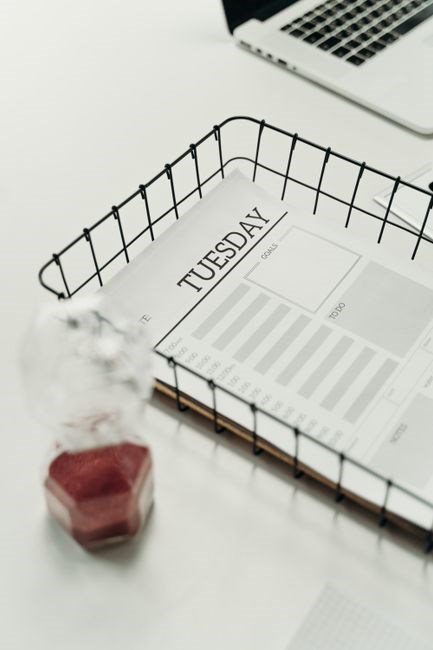
Daily planners are essential tools for adult time management, turning a chaotic schedule into a structured roadmap. A PDF template typically spans from 6 AM to 10 PM, with dedicated slots for fixed commitments such as classes, meetings, commute, and family duties. After marking these, allocate blocks for core responsibilities: project work, email triage, client calls, and administrative tasks. Use color coding or icons to flag high‑priority items, and insert short breaks for meals, stretching, or a quick walk to maintain focus and prevent burnout. At day’s end, review completed tasks, note carry‑overs, and adjust the next day’s plan accordingly; this iterative loop reinforces accountability and uncovers time‑wasters. Many planners feature a SMART goal section—Specific, Measurable, Achievable, Relevant, Time‑bound—to ensure daily actions align with long‑term objectives. Integrating goal tracking with daily scheduling creates a cohesive roadmap that keeps short‑term actions tied to broader success. The PDF format allows printing, annotating, or digital filling, making it adaptable to paper or tech users. Consistent use turns fragmented time into a productive flow, enhancing overall efficiency and well‑being; Additionally, habit trackers can be added to mark daily completion of key habits like hydration, exercise, or meditation, providing instant feedback. The layout can be customized—add columns, remove rows, change fonts, or insert quotes—to fit personal style. Whether you prefer a minimalist design or a richly detailed template, the core principle remains: a daily planner turns abstract time into actionable, measurable steps that drive progress toward your goals. By aligning daily tasks with overarching goals, you maintain clarity, momentum, and a sense of purposeful progress. now!!!!!!
Weekly Planner Worksheet
Weekly planners are a cornerstone of adult time‑management PDFs, offering a macro view that complements daily detail. A typical template covers Monday through Sunday, with columns for date, priority, main tasks, and time blocks. Users first list fixed commitments—work hours, meetings, family obligations—then slot in variable tasks such as project milestones, learning sessions, or networking calls. The layout often includes a “Top 3 Must‑Do” section, encouraging focus on high‑impact activities that align with SMART goals. A dedicated “Review & Adjust” column allows reflection on what worked, what stalled, and how to tweak the next week’s plan. By planning the week in advance, adults can anticipate peak energy periods and schedule demanding tasks accordingly. The PDF format enables printing for desk use or digital filling on tablets, ensuring flexibility. Customization options—adding extra columns, adjusting time increments, or inserting motivational quotes—let users tailor the planner to their workflow. Consistent use of a weekly planner fosters foresight, reduces last‑minute scrambling, and creates a clear path from weekly objectives to dailyexecution. This structured approach not only improves productivity but also enhances work‑life balance, as adults can visibly see how personal commitments fit alongside professional goals. The result is a tangible roadmap that keeps momentum steady and progress visible, turning abstract intentions into concrete actionable steps that drive sustained success—stay organized!!Stay organized! now.Stay

How to Effectively Use a Time Management Worksheet
Start by reviewing your weekly goals, then break them into daily tasks. Prioritize with the Eisenhower matrix, allocate time blocks, and set realistic deadlines. Regularly update the sheet, noting completed items and adjusting pending tasks to stay track.
Prioritization Techniques
Effective prioritization starts with a clear goal hierarchy. The Eisenhower Matrix divides tasks into four quadrants—urgent & important, important but not urgent, urgent but not important, and neither—allowing you to focus on high‑impact work. The ABC method assigns A to must‑do items, B to important but less critical, and C to optional tasks, ensuring you tackle the most consequential items first. Pareto’s 80/20 rule highlights the few tasks that generate most results, guiding you to invest effort where it matters most. Time‑blocking schedules dedicated periods for deep work, meetings, and breaks, reducing context switching and boosting productivity. Finally, the “One‑Minute Rule” tackles small tasks immediately, preventing backlog. Combining these techniques within a PDF worksheet lets you visually map priorities, track progress, and adjust as deadlines shift.
When you apply these methods, list all tasks for the day and rank them using the chosen framework. Review your list each morning, adjust priorities as new information arrives, and use color‑coding to signal urgency. At week’s end, evaluate which tasks yielded the highest return on time invested, and refine your approach accordingly. This iterative process ensures your worksheet remains a tool that adapts to shifting responsibilities and growth.
Remember, the worksheet is a dynamic companion; revisit it nightly to capture insights and reset priorities for the next day. This habit embeds momentum and keeps your schedule aligned with evolving goals.
Tracking Progress
Tracking progress on a time‑management worksheet turns abstract plans into measurable outcomes. Start by marking each task with a completion tick or a simple “✓” once finished. Many PDFs include a progress bar or percentage field; fill it in daily to visualize how much of the week’s agenda has been accomplished. This visual cue reinforces momentum and highlights bottlenecks early. For deeper insight, record the actual time spent versus the estimated time beside each task. Over several weeks, compare these figures to identify recurring over‑or under‑estimations, and adjust future planning accordingly.
Weekly reviews are essential. Set aside 10–15 minutes at the end of each week to tally completed tasks, note any that slipped, and analyze why. Use a simple “What worked?” and “What didn’t?” column to capture insights, celebrate wins, and set new targets. This habit not only keeps the worksheet relevant but also builds a personal performance log that can be revisited during goal‑setting sessions or performance reviews.
Finally, leverage the worksheet’s export or print‑out feature to create a visual dashboard. Graphical representations—bar charts or pie charts—can be generated from the data, offering a quick snapshot of productivity trends. When you see a steady rise in completed tasks, it reinforces the value of consistent tracking and motivates continued use of the time‑management PDF.
To sustain momentum, set a weekly reflection prompt: “What did I learn?” and “What will I adjust next week?” Record answers in a dedicated section. Over time, this log becomes a personal dashboard of growth, letting you celebrate wins and refine strategies impact.

Customizing Your Worksheet for Personal Goals
Customizing a time‑management PDF turns a generic template into a personal roadmap. Start by defining core objectives—career milestones, health targets, or skill acquisition—and map each onto the worksheet’s sections. Many free PDFs let you add custom columns; use them to track “Long‑term Goal,” “Short‑term Milestone,” and “Key Deliverable.” When filling daily or weekly slots, write the specific action that advances each goal, not just a vague task. For example, instead of “Exercise,” write “Run 3 miles at 6 am.” This precision turns intention into measurable effort.
Color‑coding entries gives instant visual balance. Assign a distinct hue to each goal category—blue for professional, green for wellness, orange for learning, etc. Most PDFs allow colored boxes or cell highlights. The visual cue lets you see at a glance whether one area is over‑ or under‑represented. If a goal feels too large, break it into micro‑tasks and list them as separate rows; this keeps the worksheet uncluttered while still tracking progress.
Include a “Progress Review” section at the bottom of each page. Leave space for a brief reflection: “What did I accomplish?” and “What obstacles arose?” This habit turns the worksheet into a learning loop. Over weeks, you’ll notice patterns—perhaps you’re consistently late to meetings or you’re missing your nutrition targets. Use that insight to adjust deadlines or add buffer time.

Keep the worksheet dynamic. If priorities shift, delete or relocate rows and update your goal hierarchy. Many PDFs support editing in Word or Google Docs before printing, so you can experiment with layout changes without losing data. Back up your customized PDF to cloud storage or email it to yourself; share it via a shared drive with a coach or partner to stay accountable and refine your schedule. ! 🙂
Reliable Sources for Free Downloadable PDFs
Finding trustworthy sites for free time‑management PDFs is essential to avoid malware and outdated templates. The most reputable providers are university career centers, non‑profit educational portals, and well‑established productivity blogs. For example, the VCU Career Services website hosts a “S.M.A.R.T. Goal Setting” PDF that is fully editable and designed for adult professionals. Their templates include sections for objective setting, measurable milestones, and deadline tracking, making them ideal for both personal and workplace use.
Another dependable source is CocoDoc, which offers a variety of printable worksheets, including daily and weekly planners that can be customized in PDF format. CocoDoc’s templates are lightweight, free to download, and come with clear instructions for editing in Adobe Acrobat or free online editors. Because the site is maintained by a community of educators, the worksheets often incorporate evidence‑based planning strategies such as the Eisenhower Matrix and the Pomodoro Technique.
ChoosingTherapy.com provides a free “Task and Time Management” worksheet that focuses on balancing work responsibilities with personal well‑being. The PDF includes prompts for prioritizing tasks, scheduling breaks, and reflecting on time usage. It’s especially useful for individuals who need a structured approach to integrate therapy or self‑care into their daily routine.
In addition to university sites, many open‑source communities host time‑management PDFs on platforms like GitHub and Google Drive. These repositories often contain user‑contributed templates that are updated regularly. For instance, the “Daily Planner” template on GitHub includes a version control history, allowing you to see how the design has evolved and ensuring you’re using the latest iteration. Users can also fork the repository to tailor the template to their specific workflow, and the community often shares usage tips in the issue tracker to troubleshoot common formatting problems.
Before printing, open the PDF in a free viewer like SumatraPDF or Adobe Reader to confirm all form fields are active and the layout stays intact across devices for all users!!!

Common Mistakes to Avoid
Avoid overloading worksheets with too many columns, which leads to clutter and confusion. Keep sections focused on key priorities, use concise labels, and limit color schemes to two or three shades. Regularly review and trim redundant fields to maintain clarity and usability.!
Overloading the Worksheet
When designers create a time‑management PDF, the temptation is to pack every conceivable detail—task lists, habit trackers, motivational quotes, color codes, and elaborate charts—into a single page. This “feature‑craziness” can backfire. A cluttered layout forces users to spend more time deciphering the sheet than actually planning, turning the worksheet into a cognitive burden rather than a productivity aid. The first symptom is visual overload: too many columns, overlapping text, and dense icons create a maze that discourages consistent use. The second symptom is a loss of focus; users may skip sections, ignore priorities, or abandon the sheet altogether. The third symptom is wasted time; the effort required to locate specific fields or to fill in data accurately offsets the time saved by having everything in one place. Overloading also hampers adaptability; a single, well‑structured template is easier to modify for different goals, whereas a heavily populated sheet resists customization. Finally, psychological fatigue sets in: the sheer volume of information can feel overwhelming, leading to procrastination or incomplete entries. To avoid these pitfalls, keep the design simple, prioritize essential elements, and use whitespace strategically. A clean, focused worksheet encourages regular use, improves clarity, and ultimately supports better time management. By intentionally limiting the number of fields and using a modular layout, users can add optional sections only when needed, preserving the sheet’s clarity and effectiveness. For instance, a daily planner might include three columns—Morning, Afternoon, Evening—plus a single row for top priorities. Avoid adding separate sections for every small task; instead, group related activities and use checkboxes. If you need to track habits, create a separate habit tracker sheet rather than embedding it within the daily planner. This separation reduces visual clutter and keeps each worksheet focused on its primary purpose. Additionally, color coding should be minimal—use no more than two or three hues to distinguish categories. Excessive color can distract and diminish readability. Finally, test the worksheet with a small user group before finalizing; gather feedback on layout clarity and ease of use. Iterative refinement based on real‑world usage ensures the final PDF remains user‑friendly and effective.