Understanding “Book Thief PDF” and Online Access
The term “book” historically evolved from wooden tablets to modern digital formats like PDFs, reflecting a complex linguistic and technological journey.
Accessing “The Book Thief” digitally involves navigating legality, risks, and various platforms, including Project Gutenberg and subscription services.
Recent laptop trends, like the RedmiBook, ThinkBook, and MacBook series, offer diverse options for reading digital books, with HP StarBook Pro 14 showcasing AI-powered performance.
The Popularity of “The Book Thief”
Markus Zusak’s “The Book Thief” has garnered immense global recognition since its publication, captivating readers with its unique narrative perspective – narrated by Death itself. This poignant story, set in Nazi Germany, explores themes of resilience, the power of words, and the human spirit amidst profound adversity. Its widespread appeal stems from its emotionally resonant characters, particularly Liesel Meminger, and its thought-provoking examination of morality during wartime.
The novel’s success has fueled a significant demand for accessible formats, including digital versions like PDFs. This demand is further amplified by its inclusion in school curricula and book club selections worldwide. Consequently, searches for a “Book Thief PDF” are consistently high, reflecting a desire for convenient and affordable access to this literary masterpiece. However, it’s crucial to understand the legal and ethical implications surrounding the acquisition of such digital copies, as unauthorized downloads pose risks.
What is a PDF Format?
PDF, or Portable Document Format, is a file format developed by Adobe in the 1990s to ensure consistent presentation of documents across various platforms. Unlike word processing files, PDFs preserve formatting – fonts, images, and layout – regardless of the operating system or software used to view them. This makes them ideal for sharing documents, including books like “The Book Thief”, where maintaining the author’s intended presentation is vital.
PDFs are created from various applications and can contain text, images, hyperlinks, and even interactive elements. They are widely used for eBooks due to their compatibility and relatively small file size. While easily shareable, PDFs can be secured with passwords and restrictions, controlling printing, copying, and editing. The format’s universality contributes to the frequent search for a “Book Thief PDF”, offering a convenient way to read the novel on diverse devices, from laptops (like RedmiBook or MacBook) to tablets and smartphones.
Legality of Downloading “The Book Thief” PDF
Downloading a PDF of “The Book Thief” without proper authorization is generally illegal, constituting copyright infringement. Copyright law protects the author and publisher’s rights to their work, granting them exclusive control over its distribution. Obtaining a PDF from unofficial sources – websites offering free downloads without permission – violates these rights and carries potential legal consequences.
Penalties for copyright infringement can include fines and, in some cases, legal action from the copyright holder. While the risk of prosecution for individual downloads may be low, it’s a real possibility. Seeking legal avenues for accessing the book, such as purchasing a legitimate eBook or borrowing it from a library, ensures compliance with copyright laws. Considering the availability of legal options, opting for an unauthorized “Book Thief PDF” poses unnecessary risks, especially with the increasing sophistication of digital rights management and monitoring technologies.
Reliable Sources for Legal PDF Access
Several reputable platforms offer legal access to eBooks, including “The Book Thief” in PDF format or compatible formats. Online libraries and digital retailers provide secure and authorized downloads, ensuring compliance with copyright laws. Major eBook retailers like Amazon Kindle, Kobo, and Google Play Books are excellent starting points, often offering competitive pricing and various reading features.
Subscription services, such as Scribd or OverDrive (through libraries), provide access to a vast catalog of eBooks for a monthly fee. Project Gutenberg, while not always having the specific title, offers a wealth of free, public domain eBooks. Library eBook lending programs are another fantastic resource, allowing you to borrow digital copies without cost. Prioritizing these legal sources safeguards against malware risks associated with unofficial downloads and supports authors and publishers, fostering a sustainable literary ecosystem.
Project Gutenberg and Free eBooks
Project Gutenberg stands as a cornerstone for accessing free eBooks, offering a vast library of public domain works. While “The Book Thief” itself isn’t currently available due to copyright restrictions, the platform provides numerous classic literary works in various digital formats, including PDF, EPUB, and Kindle-compatible versions. This initiative, dedicated to digitizing and archiving cultural works, allows readers worldwide to enjoy literature without cost.
Beyond Project Gutenberg, other websites curate collections of free eBooks, often focusing on older titles where copyright has expired. However, it’s crucial to verify the legitimacy of these sources to avoid potential malware or copyright infringement issues. Remember that accessing copyrighted material illegally carries risks. Exploring free eBook options is a great starting point, but always prioritize legal and ethical access to support authors and the publishing industry.
Online Libraries Offering Digital Copies
Numerous online libraries provide access to digital copies of books, often through lending programs or subscription services. While a direct, free PDF of “The Book Thief” might be elusive due to copyright, these platforms offer legitimate avenues for reading the novel digitally. Many public libraries now offer extensive eBook collections accessible with a library card, allowing users to borrow and read titles on various devices.
Digital reading platforms like Libby, OverDrive, and Hoopla partner with libraries to facilitate eBook lending. These services provide a user-friendly experience, allowing readers to search for books, place holds, and read directly within the app or transfer them to compatible e-readers. Exploring these options ensures legal access and supports authors and publishers, avoiding the risks associated with unauthorized downloads.
Subscription Services with eBook Access
Several subscription services offer extensive eBook libraries, providing an alternative to purchasing individual titles or relying on library lending. These platforms typically operate on a monthly fee, granting access to a vast catalog of books, including potentially “The Book Thief,” depending on licensing agreements. Kindle Unlimited, Scribd, and Kobo Plus are prominent examples, each with varying strengths in terms of selection and features.
These services often include features like offline reading, adjustable font sizes, and integrated dictionaries, enhancing the reading experience. While a specific PDF download might not be available, the ability to read the book on dedicated apps or e-readers offers a convenient and legal alternative. Considering these subscriptions can be a cost-effective solution for avid readers, providing access to a wide range of literature beyond just one title.
Potential Risks of Illegal Downloads
Downloading “The Book Thief” PDF from unofficial sources carries significant risks beyond legal repercussions. These websites are frequently breeding grounds for malware and viruses, potentially compromising your device and personal data. Unofficial PDFs can contain hidden malicious software designed to steal information or damage your system, necessitating robust antivirus protection.
Furthermore, engaging in illegal downloads constitutes copyright infringement, which can lead to substantial penalties, including fines and legal action. Supporting unauthorized distribution undermines authors and publishers, impacting the future creation of literary works. Choosing legal avenues, such as subscription services or authorized retailers, ensures a safe and ethical reading experience, protecting both your digital security and the rights of content creators.
Malware and Viruses in Unofficial PDFs
Unofficial “The Book Thief” PDF downloads are notorious for harboring malware and viruses. Cybercriminals often exploit the popularity of ebooks to distribute malicious software disguised within seemingly harmless files. These threats range from ransomware, which encrypts your data demanding payment, to spyware that silently monitors your online activity.
PDFs, while generally safe, can be manipulated to embed harmful code, especially when sourced from untrusted websites. Downloading from such sources risks exposing your computer to trojans, worms, and other viruses capable of causing significant damage. Regularly updating your antivirus software and exercising extreme caution when opening PDFs from unknown origins are crucial preventative measures. Prioritizing legal sources drastically reduces the likelihood of encountering these digital threats, safeguarding your device and personal information.

Copyright Infringement and Penalties
Downloading an unauthorized PDF of “The Book Thief” constitutes copyright infringement, a violation of international law protecting the author and publisher’s intellectual property rights. This isn’t a victimless crime; it directly impacts the creative industries and discourages authors from producing future works.
Penalties for copyright infringement can be severe, ranging from substantial fines – potentially thousands of dollars – to legal prosecution and even criminal charges, depending on the extent of the illegal distribution. While individual downloads may seem minor, widespread piracy significantly harms revenue streams. Supporting authors through legal channels, such as purchasing ebooks or borrowing from libraries, ensures continued access to literature and respects the rights of creators. Choosing legal options avoids the ethical and legal ramifications of unauthorized downloads.
Alternatives to Downloading: Borrowing eBooks
Instead of seeking unofficial PDF downloads of “The Book Thief,” numerous legitimate avenues exist for accessing the novel digitally. Library eBook lending programs are a fantastic, cost-free option, allowing readers to borrow titles for a limited time using a library card. This supports authors and avoids the risks associated with illegal downloads.
Digital reading platforms like Kindle, Kobo, and others offer convenient eBook access through purchase or subscription services. These platforms often feature sales and promotions, making eBooks affordable. Furthermore, subscription services provide access to vast libraries of titles for a monthly fee. Exploring these alternatives ensures a legal and secure reading experience, fostering a sustainable ecosystem for authors and publishers while satisfying your literary interests.
Library eBook Lending Programs
Many public libraries now offer extensive eBook lending programs, providing a legal and free way to read “The Book Thief” digitally. These programs typically require a valid library card and utilize platforms like Libby or OverDrive, allowing users to browse, borrow, and read eBooks on their computers, tablets, or smartphones.
The borrowing period is usually a few weeks, after which the eBook automatically returns, eliminating late fees. This system offers a sustainable alternative to purchasing or illegally downloading eBooks, supporting authors and the library system. Library eBook collections are constantly expanding, offering a diverse range of titles alongside popular novels like “The Book Thief.” Checking your local library’s website is the first step to accessing this valuable resource.
Digital Reading Platforms (Kindle, Kobo, etc.)
Dedicated digital reading platforms like Kindle and Kobo offer convenient access to eBooks, including potentially “The Book Thief,” through their respective online stores. These platforms allow users to purchase and download eBooks directly to their e-readers or companion apps on various devices.
Features often include adjustable font sizes, built-in dictionaries, and note-taking capabilities, enhancing the reading experience. While purchasing ensures legal access, these platforms frequently host sales and promotions, making eBooks more affordable. However, eBooks purchased on one platform are often tied to that ecosystem, limiting portability. Exploring these platforms provides a legitimate avenue for enjoying “The Book Thief” in a digital format, supporting authors and publishers.
The History of Book Formats and Digitalization
The evolution of the book is a fascinating journey, beginning with ancient scrolls and progressing through codices, meticulously hand-copied manuscripts, and eventually, the printing press revolutionizing access to knowledge. The very word “book” originates from ancient wooden tablets used for recording information.
Digitalization represents the latest chapter in this history, transforming books into easily distributable electronic files like PDFs. This shift allows for instant access and portability, but also introduces challenges regarding copyright and piracy. The convenience of a “Book Thief” PDF is undeniable, yet understanding the historical context highlights the value of preserving the integrity of authorship and the publishing industry. From physical forms to digital representations, the core purpose – sharing stories and information – remains constant.

From Ancient Scrolls to Modern PDFs
The transition from ancient scrolls to modern PDFs mirrors humanity’s relentless pursuit of efficient information storage and dissemination. Early forms, like wooden tablets, evolved into papyrus scrolls, then parchment codices – precursors to the books we know today. The invention of the printing press marked a pivotal moment, enabling mass production and wider accessibility.

Now, digitalization has ushered in the era of eBooks and PDFs, offering unparalleled convenience and portability. A “Book Thief” PDF exemplifies this shift, allowing readers to access the story instantly. However, this ease of access also raises concerns about copyright and the ethical implications of digital distribution. The journey reflects not just technological advancement, but also a continuous adaptation to how we consume and interact with literature, from laborious hand-copying to a simple digital download.
The Evolution of Book Binding and Materials
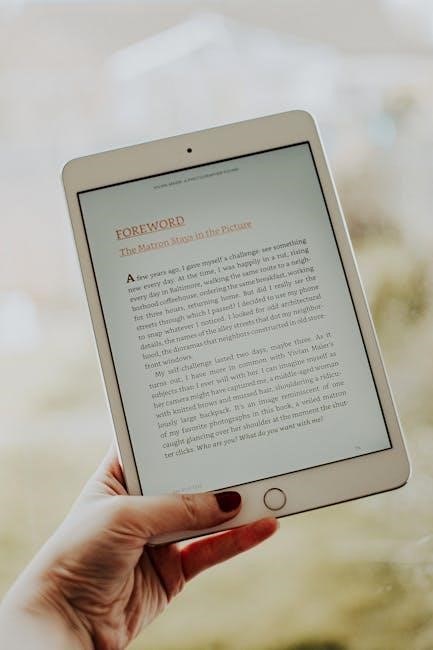
Historically, bookbinding evolved from simple wooden boards protecting papyrus scrolls to intricate codices secured with leather and metal clasps. Early materials dictated durability and cost, influencing accessibility. The development of paper in China, and its subsequent spread westward, revolutionized book production, making it more affordable.
Binding techniques progressed from monastic hand-sewing to mechanized processes, impacting both speed and aesthetics. Today, a “Book Thief” PDF bypasses these physical constraints entirely, existing as a digital file. Yet, the legacy of craftsmanship remains – the desire for a tangible, well-made book persists. While PDFs offer convenience, they lack the sensory experience of a physical book, a testament to centuries of material and binding innovation. The evolution continues, blending tradition with digital accessibility.
Current Trends in Laptop Technology (RedmiBook, ThinkBook, MacBook)
Modern laptops significantly impact how we access digital content like a “Book Thief” PDF. The RedmiBook series prioritizes value and performance, offering affordability for students and casual readers. ThinkBooks, positioned as lighter alternatives to ThinkPads, balance portability with essential features. MacBooks, particularly the Pro and Air models, cater to professionals seeking power and a premium experience.
AI integration, exemplified by the HP StarBook Pro 14, is becoming increasingly prevalent, enhancing performance and user experience. These advancements influence PDF readability – sharper displays, faster processors, and longer battery life all contribute to a smoother digital reading experience. Choosing the right laptop depends on individual needs and budget, but all current trends facilitate convenient access to eBooks and digital texts.

RedmiBook Series: Value and Performance
The RedmiBook series consistently aims to deliver a compelling balance between affordability and functionality, making it a viable option for accessing a “Book Thief” PDF or other digital literature. Recent models, like the RedmiBook 14 Ryzen edition, focus on providing strong performance without a premium price tag.
Improvements in build quality and features are evident in newer iterations, addressing previous criticisms. While not competing with high-end laptops, the RedmiBook offers sufficient power for reading, note-taking, and basic productivity tasks related to studying literature. The 2025 models demonstrate a commitment to value, even amidst rising component costs. Ultimately, the RedmiBook provides a practical and cost-effective solution for students and casual readers seeking digital access to books.
ThinkBook vs. ThinkPad: Understanding the Differences
While both fall under the Lenovo umbrella, the ThinkBook and ThinkPad lines cater to distinct user needs, impacting their suitability for accessing a “Book Thief” PDF and engaging with digital texts. ThinkPads are renowned for their durability and robust build quality, often featuring enhanced protection against accidental damage – a benefit for students or travelers.
ThinkBooks, conversely, prioritize affordability and a sleeker design, offering a more accessible entry point into the Lenovo ecosystem. They function perfectly well for reading and research, but lack the ruggedness of their ThinkPad counterparts. Essentially, ThinkBooks are standard lightweight laptops, while ThinkPads incorporate extra protective features. Choosing between them depends on your priorities: prioritizing resilience or cost-effectiveness when enjoying digital literature.
MacBook Pro and Air: Choosing the Right Model
When considering a MacBook for reading a “Book Thief” PDF or engaging with extensive digital literature, the choice between the Pro and Air models hinges on performance demands and portability preferences. The MacBook Air, known for its lightweight design and excellent battery life, is ideal for casual reading and note-taking on the go. It’s a superb companion for students or anyone prioritizing convenience.
However, if you anticipate heavier workloads – such as simultaneously researching, editing documents, or running multiple applications alongside your eBook – the MacBook Pro offers superior processing power and enhanced graphics capabilities. The M4 chip advancements further refine this distinction. For intensive digital work, or future-proofing your investment, the Pro is the more suitable choice, despite its higher price point and slightly reduced portability.
HP StarBook Pro 14: AI-Powered Performance
The HP StarBook Pro 14, positioned as an AI-powered lightweight powerhouse, presents a compelling option for accessing and interacting with digital texts like a “Book Thief” PDF. Its integration of Intel Core Ultra processors and a vibrant 2.8K OLED screen enhances the reading experience, offering crisp visuals and comfortable viewing for extended periods.
The AI capabilities contribute to optimized performance, potentially streamlining tasks like document analysis or research related to the book. While the 2026 model’s price point of 7999 yuan for the U7 version represents a moderate increase compared to previous iterations, it remains competitive within the market. Considering the rising costs of memory and processors, the StarBook Pro 14 strikes a balance between affordability and functionality, making it a viable choice for students and professionals alike.